

An insight to the work of our Enliven Chaplains
No two days are ever the same for a PSC Enliven chaplain. Each shift brings moments of compassion, connection, humour, and quiet support for residents, whānau, and staff alike.
The day often begins in conversation with the care team. A nurse may raise concerns about a resident whose health has declined, prompting the need to begin an Advance Care Plan discussion. These conversations are deeply important, helping residents express their wishes and values for the future.
On the way to one resident’s room, another need may arise. A resident living with dementia becomes upset and disoriented, unsure where she belongs. Time is taken to walk alongside her, listen, reassure, and help her feel safe again. Sometimes the most meaningful care is simply being present.
Later, there may be the solemn task of blessing a room after a resident has passed away. Together with another resident or staff member, prayers are offered in gratitude for the life lived, for grieving family members, and for the caregivers who supported them. A candle is lit, memories are shared, and the room is blessed with peace and love before it welcomes someone new.
Throughout the day, the chaplain moves through the home, checking in on residents who may be anxious, lonely, or unsettled. For one man with dementia, distress over needing to “move out” is eased through gentle reassurance. For another, joy is found in laughter and a warm hug. These moments remind us that spiritual care is often expressed through kindness, touch, humour, and human connection.
In dementia care particularly, spirituality remains powerful. Even when memory fades, many residents still remember prayers, hymns, and words of faith from childhood. Sitting quietly, holding a hand, or singing a familiar song can bring comfort beyond words.
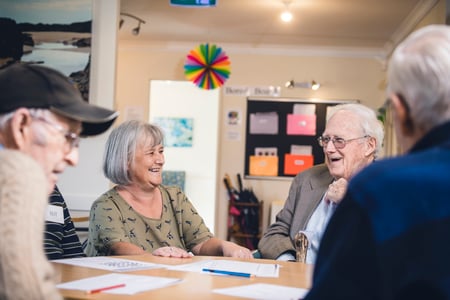
Chaplains also prepare and lead group sessions during the week, creating spaces where residents can share stories, treasured objects, memories, and reflections. These gatherings include music, poems, scripture, and conversation - nurturing both residents and often the staff nearby who pause to listen.
At times, support extends beyond the home. A resident nearing the end of life may ask for help reconnecting with estranged family members, seeking peace and reconciliation. Being a trusted, neutral presence in these tender situations is a privilege.
Community life is also part of the role. Planning events such as Matariki services and annual memorial gatherings brings residents, staff, and whānau together to remember loved ones and celebrate hope, culture, and connection.
Before heading home, the day ends with documentation - carefully recording what may help support a resident’s wellbeing while honouring confidentiality and trust.
A chaplain’s work is woven through the everyday life of the home: listening, comforting, celebrating, grieving, advocating, and walking beside people through every season of life. It is sacred work, often quiet and unseen, but deeply felt by those it touches.